Office Software Trends 2026: Getting More from Your Setup



The trends actually worth acting on
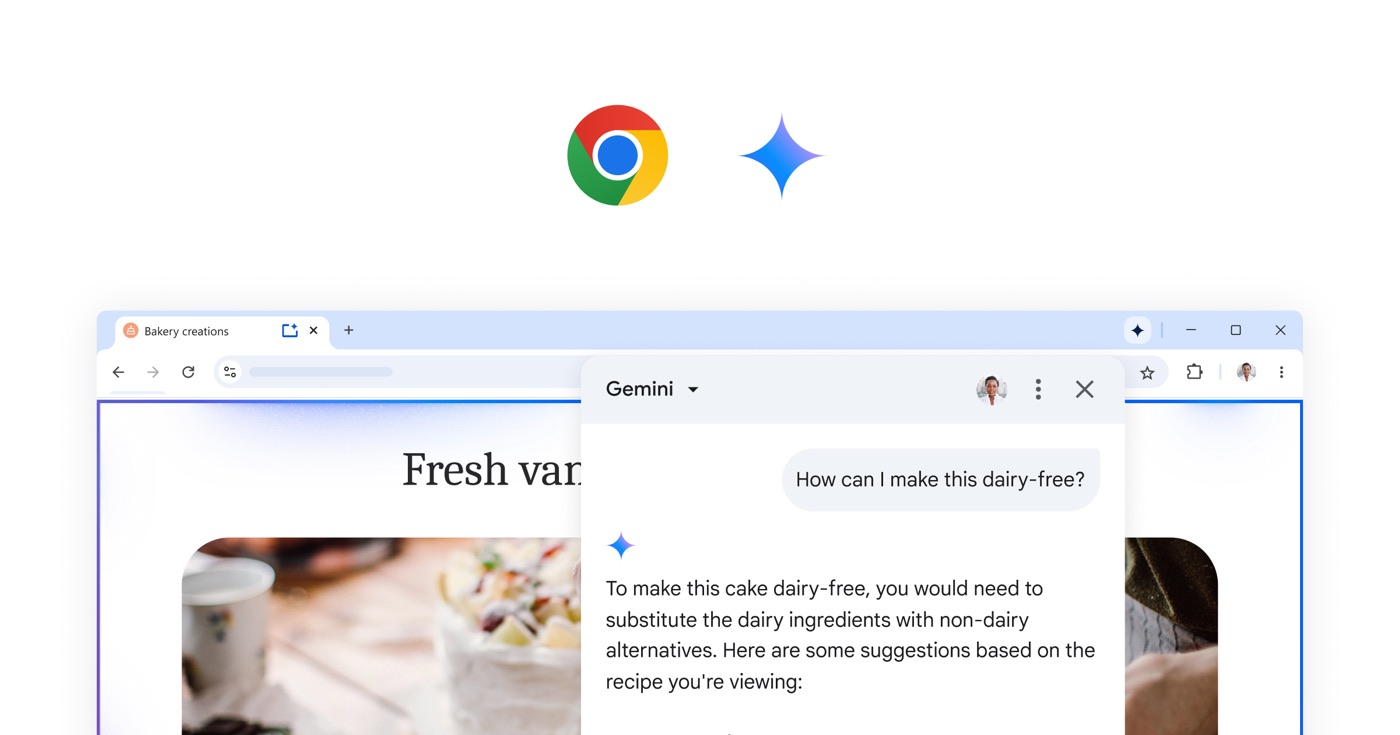
1. AI copilots are becoming a default part of the workday, not a novelty. The biggest productivity gains reported this year are coming from AI tools built into everyday software — drafting a first version of a document, summarising a long email thread, or turning a rough set of notes into a structured report. Early data from large-scale workplace studies shows regular users saving meaningful chunks of time each day on exactly this kind of task. The gap between businesses using this well and those ignoring it is starting to show.
2. Deployment speed matters as much as features. Long, complicated software rollouts are increasingly seen as a cost in themselves, not just an inconvenience. Businesses — particularly small and mid-sized ones without a large IT department — are favouring tools that staff can start using with minimal training, rather than software that looks impressive on a feature list but takes weeks to bed in.
3. Cloud-first is now simply the default. On-premise, single-device software is fading fast in favour of cloud-based suites accessible from any device, anywhere. This isn’t just about convenience — it directly supports hybrid and multi-branch working, which remains common across Zimbabwean businesses juggling office and remote staff.
4. Automation is moving into everyday admin work, not just IT. Repetitive tasks — routing approvals, formatting reports, chasing follow-ups — are increasingly handled automatically rather than manually, freeing staff to focus on work that actually needs a person’s judgement.
“Need help specifying office hardware — laptops, monitors, or peripherals — that gets the most out of a modern, cloud-first software setup? Browse our Computing range or enquire with our team..”
Practical takeaways for your business
- Before buying new software, check whether the AI features already built into your current suite (most major office suites now include some form of AI assistant) are actually switched on and being used — many businesses are paying for capability they haven’t activated.
- Prioritise tools your team can start using in days, not weeks — a feature-rich platform nobody actually adopts delivers zero productivity gain.
- If your team is split between office and remote or field-based work, confirm your software choice is genuinely cloud-native, not just “cloud-accessible” as an afterthought.
- Review which admin tasks are still being done manually purely out of habit — many of these can now be automated with tools your business may already own.
The common thread across all of this: productivity gains in 2026 are coming less from buying entirely new software, and more from using what’s already on the desktop properly, and choosing new tools based on how fast they actually get adopted, not how long the feature list is.